
This is the Alkaline Water Plus Water Ionizer FAQs Page
Actually our entire website is a huge FAQs website but on this particular page we have some of the very most common questions that people ask and their answers.
Q: Why are alkaline water machines (water ionizers) so expensive?
Electric water ionizers are more expensive because:
- They use pure titanium plates covered with medical-grade platinum (~$1500/oz).
- Design, electronics, fine workmanship and warranties are also quite costly.
- They ionize all the minerals naturally present in water (Ca, Mg, K).
- Non-electric ionizers only ionize magnesium, so they are less effective and cost less.
- If you compare alkaline water machines to medical equipment, or how much people spend on bottled water over the years, they're not expensive at all.
Read more about the cost of water ionizers.
Q: Why do water ionizers (alkaline water machines) use platinum-coated electrodes?
Platinum-coated electrodes are essential for water ionizers (alkaline water machines) because platinum is extremely durable and resistant to corrosion. Combined with titanium, it ensures the electrodes do not break down or leach into your alkaline ionized water over time, making them last virtually a lifetime. Platinum also acts as a catalyst in the electrolysis process, allowing water to be ionized instantly as it flows through the electrolysis chamber. Without platinum, a water ionizer would struggle to produce properly ionized alkaline water. Learn more about different types of water ionizer plates and why platinum is the preferred choice.
Q: Which brand/model of alkaline water machine (water ionizer) makes the best water?
There are several water ionizers that I think are in the category of "best". As long as the water ionizer is manufactured properly, can achieve a wide enough range of pH, produces an abundance of antioxidants at each of the alkaline pH-levels, and has an adequate warranty I would call it one of the best ones. Then there are other features to consider... You’re invited to stop-by my “Water Ionizer Comparison Chart” page.
Q: Are there any cautions about drinking ionized alkaline water?
With all new things - start slowly. Set the controls to the lowest alkaline level. Assuming the water agrees with you, increase the amount you drink and the level of ionization intensity. High levels of alkalinity -- up to 9.5-10.0 -- are best for drinking water; the highest levels can be used for cooking. Use the "Purified Water" setting for taking any medications that your doctor advises not to be taken with alkaline water. Do not drink the acid water that comes out of the lower spout. Read more about Water Ionizer Use.
Q: What is pH and how do I test my body's pH?
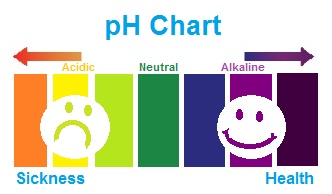
PH comes from Latin and translates to "power of Hydrogen" or "potential Hydrogen". It basically means how acid, alkaline or neutral something is. Hydrogen has the ability to combine with oxygen in different ways and by doing so it can carry an extra electron or not, which makes the molecule alkaline or acidic, and thus have either a negative charge or a positive charge. On a scale of 1 - 14, 1 - 6 would be ranges of acidity (with 1 being the most acid); 8 - 14 would be ranges of alkalinity (with 14 being the most alkaline); and 7 would be neutral. Our saliva should be slightly alkaline (a little above 7.3) for us to be in a healthy state. Read about our Free Urine/Saliva pH Test Kit.
Q: Which container, or bottle, is best and what's the best way to store ionized water?
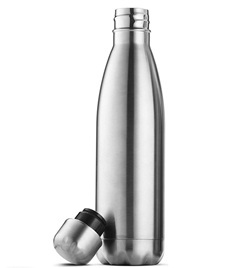
A vacuum stainless bottle is the very best. The second best is a mason jar. Read more about storing ionized water.
Q: What Changes When Making Sparkling Water / Tea / Coffee or Adding Flavor-Aids or Alcohol?
Sparkling Water
Using alkaline ionized water in a sparkling water machine is generally fine. Carbonation naturally lowers the pH somewhat because carbon dioxide forms a mild carbonic acid in the water. So the water may become less alkaline after carbonation, but you still typically retain many of the filtration benefits and often some dissolved hydrogen for a period of time (though hydrogen can dissipate more quickly once agitated or exposed to air).
Adding lemon slices
Adding a squeeze or slice of lemon doesn't alter the H2 content and naturally lowers the pH somewhat. This is not necessarily a bad thing as it's natural and may even assist with digestion during meals.
Making tea and coffee:
Heating ionized water will naturally lower the pH and H2 content, but not completely neutralize it unless you boil it.
Many people enjoy alkaline filtered water because it can improve taste by removing chlorine and contaminants.
Moderate alkaline levels are typically preferred for tea and coffee and can enhanse flavor.
Adding Flavor-Aides:
Kool-Aid, Crystal Lite and other drink mixes, and these kind of chemically-created drink mixes reduce the levels of pH and H2 of ionized water.
Adding Alcohol:
For some reason adding alcohol to ionized water doesn't usually reduce the pH or H2 levels. Read more about adding flavors & chemicals to your ionized water.
Q: Should You Let the Water Run a Few Seconds First - Before Pouring?
It is not necessary to let the machine run for a few seconds before filling a glass, because even if the machine has sat unused for many hours the filters are protected with silver-impregnated carbon. This simply keeps the water path fresh in these cases.
Q: After Pouring Ionized Water If it Sits Overnight is it Good to Drink in the Morning?
Generally, water sitting in the machine overnight is usually still fine to drink. Most quality ionizers are designed for normal daily household use, but you will not have a reduced amount of H2 (hydrogen) and pH.
Hydrogen Benefits
• Freshly produced water usually has the strongest dissolved hydrogen content.
• If the water sits for long periods (more than an hour or two), the hydrogen content tends to dissipate.
Q: What are the differences between electric and non-electric water ionizers?
A: Electric water ionizers are generally more expensive because they require high-quality pure titanium plates coated with medical-grade platinum, which is essential for safety and effective ionization. Platinum alone is costly—around $1,500 per ounce at the time of this writing. Electric water ionizers are more effective and healthier because they ionize all the beneficial alkaline minerals in water, such as calcium, magnesium, and potassium. Ionizing these minerals makes them more easily absorbed by your cells, supporting overall health.
Non-electric water ionizers, on the other hand, are primarily filters rather than true ionizers. They typically filter the water and add magnesium in the presence of magnets (often using magnetized ceramics). This method was originally developed by Dr. Hayashi and is now used in hundreds of devices. While some non-electric devices work well, many are either ineffective or overpriced. One of the best-performing and reasonably priced options is the WellBlue pitcher.
Overall, electric water ionizers remain superior because they ionize all the naturally occurring minerals in water, including calcium, which is essential for the body, while non-electric ionizers primarily add magnesium. Neither type is inherently more "natural"; the key difference is the range of minerals they ionize. Learn more about the differences between electric and non-electric water ionizers.
FURTHER READING:
- Scientific Research Studies
- Water Ionizer Research
- Benefits of Ionized Water
- Doctors & Experts
- Customers Personal Testimonials
References
- Jensen, W. B. (2004). The Symbol for pH. Journal of Chemical Education, 81(4), 506. https://pubs.acs.org/doi/abs/10.1021/ed081p506
- U.S. Geological Survey. (2019). pH Scale. Water Science School. https://www.usgs.gov/media/images/ph-scale
- Alkaline Water Plus. (2023). Storing Ionized Water: Which Container, Glass or Plastic? Alkaline Water Plus Blog. https://www.alkalinewaterplus.com/blog/storing-ionized-water-which-container-glass-or-plastic/
- Alkaline Water Plus. (2023). Ionized Water, Flavor Enhancers and Other Additives. Alkaline Water Plus Blog. https://www.alkalinewaterplus.com/blog/ionized-water-flavor-enhancers-and-other-additives/
- Alkaline Water Plus. (2023). An Evaluation of Alkaline Water Ionizer Filter Devices (Non-Electric). Alkaline Water Plus Blog. https://www.alkalinewaterplus.com/blog/an-evaluation-of-alkaline-water-ionizer-filter-devices-non-electric/